
Aviation
Aircraft are scarce, mobile, globally traded assets generating contracted income through airline leases. We combine deep market knowledge with experience across aviation cycles, investing for long-term income in a well proven asset class and acting when markets create opportunity.
Our KGAL aviation investment platform is supported by our GOAL and Lufthansa Leasing joint ventures with Lufthansa Group, with unique cross-expertise capabilities and track record in the industry.
Investment discipline. Aircraft expertise.
KGAL Aviation, together with GOAL, combines investment expertise with hands-on technical asset management – from origination and structuring to ongoing management and remarketing.
- €2.4bn
- Assets under management
- €28bn
- Cumulative financing volume
- 950+
- Aircraft transactions worldwide
- Top 50
- Global aircraft asset manager with relationships to 50+ carriers worldwide
- since 1979
- Investing in aircraft

Investing across the aviation cycle
-
Investing through the cycle
Aviation is cyclical. We invest with the cycle — holding aircraft for contracted income and acting when pricing, airlines or markets create opportunity. Entry, management and exit are all part of the return.
-

Airline and asset strategies
Two complementary approaches: airline strategies with newer aircraft and longer leases to selected carriers; and asset strategies focused on mid-life aircraft where re-leasing, extensions and sales drive value.
-
Disciplined underwriting
KGAL Aviation, together with GOAL and Lufthansa Leasing, combines investment expertise with a consistent underwriting framework from acquisition to exit, tracked against plan.
-

Close to the asset
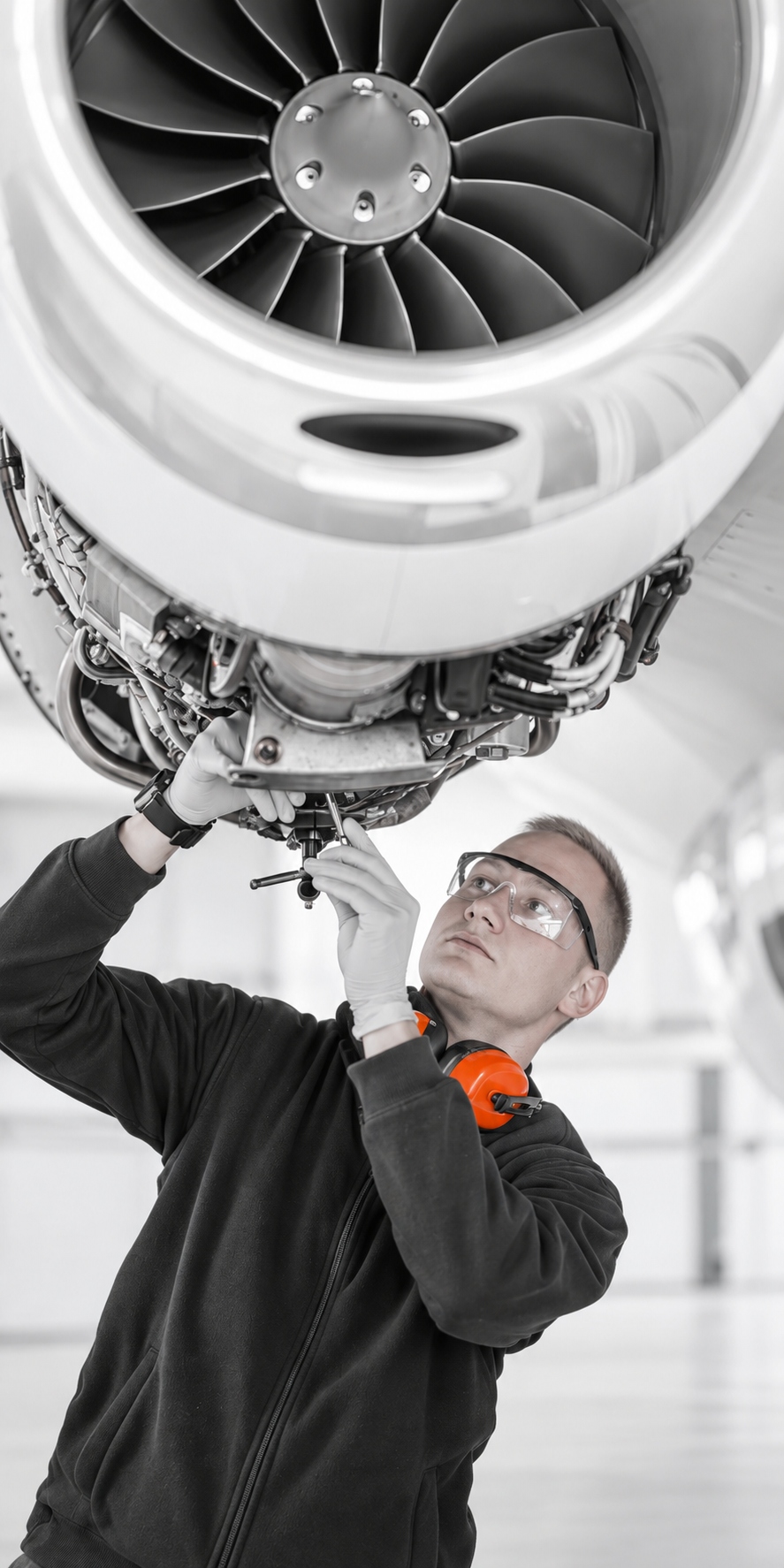
KGAL Aviation, with the support of GOAL, keeps origination, structuring, technical management and remarketing in-house. Aircraft, records and lessees are managed directly across the lease life cycle.


The world keeps moving.
We invest in what keeps it connected.
We invest with a view to both the airline and the aircraft – combining an understanding of lessee credit with deep knowledge of asset value and lifecycle. Together with GOAL and Lufthansa Leasing, KGAL Aviation manages across origination, structuring, technical asset management and remarketing. Mobility is the defining feature. Aircraft are standardised, internationally traded assets that can be redeployed across airlines and regions. At the same time, long development, certification and production cycles constrain new supply.
- Contracted income An operating lease converts an aircraft into a stream of contracted rental payments from an airline, typically over several years. The airline bears operating costs and responsibilities, while the lessor retains ownership.
- A global leasing market Aircraft leasing is a core part of the aviation industry. It enables airlines to access fleet capacity without full ownership and provides investors with exposure to contracted income and residual value.
- Supply takes time Aircraft cannot be produced quickly. Extended development and manufacturing cycles limit new supply, while long asset lives mean values are shaped by age, technology, maintenance condition, demand and replacement cost.
- Distinct and manageable risks Operational risk sits with the airline. Route planning, crews and fuel remain outside the lessor’s scope. Key investment risks relate to lessee credit, lease structure and residual value, requiring specialist underwriting and active management.
- Globally mobile assets A deep secondary market allows aircraft to be repossessed, remarketed and redeployed, subject to technical and contractual conditions. This mobility is a defining feature of the asset class.
- A specialist market Aircraft investment requires detailed understanding of asset values, engine cycles, lease structures, airline credit and secondary markets. KGAL has been active in aviation since 1979, combining investment expertise with in-house technical and asset management capabilities.
Our global aircraft portfolio
How we invest
Aviation is cyclical, and we invest ahead of it. We aim to anticipate its turns to capture the best value for our investors: holding aircraft for contracted income, and acting when pricing, airlines or markets create opportunity. Three investments show what that means in practice.
Entry and exit
A portfolio of ten narrowbody aircraft, leased to an established European carrier, was acquired at attractive entry prices and with solid income expectations. Through market insight, we recognized early from other carriers’ fleet planning that demand for this aircraft type was building while new deliveries were scarce. We positioned the portfolio for sale directly to those carriers. Within two years we sold it ahead of plan, realizing the value of a rising market for our investors.

Management
When the Covid pandemic grounded fleets worldwide, a normally liquid market dried up almost overnight. We worked through the crisis with every carrier operating our aircraft: staying in constant contact with those still paying, agreeing emergency measures with those who could not, up to and including bankruptcy restructurings. And because we stay close to our aircraft, their records and the airlines that fly them, we could act when it mattered: when one carrier operating three of our aircraft ran into serious difficulties, the aircraft were placed with another carrier within a short period. Through the crisis, we preserved our investors’ capital and delivered results close to plan.

Opportunity
An airline with a stalled long-term expansion and more widebody orders than it could use. Two things made the aircraft hard to sell: a location in a jurisdiction from which moving an asset at short notice is difficult, and a single widebody rarely fits the fleet plans of large carriers with order books of their own. Through our network we found a smaller carrier with a real need for one aircraft of this type and little access to it. We acquired the aircraft at an attractive price, orchestrated its transfer out of the jurisdiction and into the new lease, and turned it into a stable investment, which we realized ahead of plan after a short holding period.
