 Contact

News & Insights
KGAL benefits from the 2025 market recovery – 2026 set to become a “Year of Change” for real assets
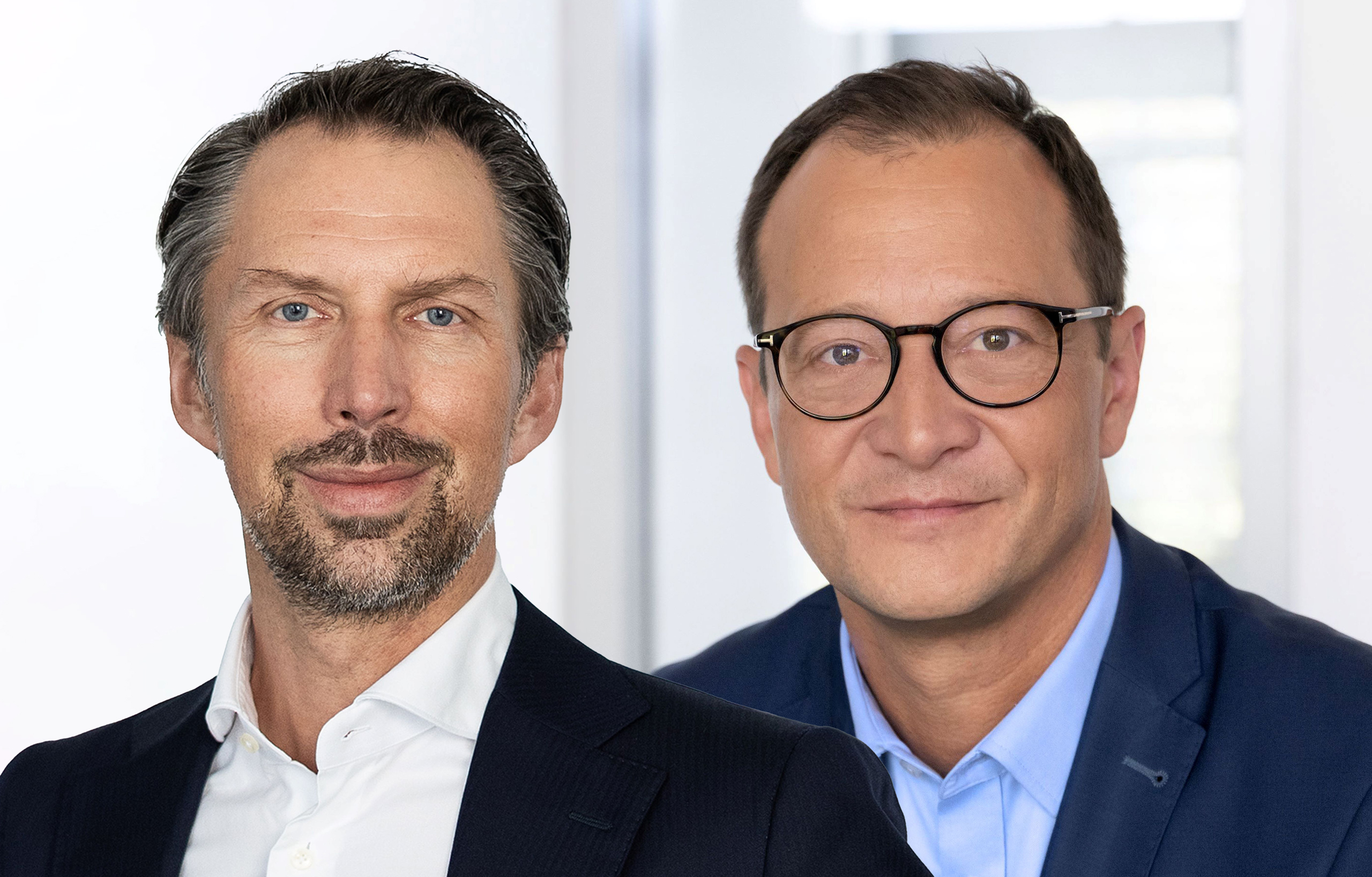
KGAL once again achieved a clearly positive result in the 2025 financial year. The Munich-based specialist in real assets outperformed the previous year, raising around €400 million in equity and increasing its new business volume to almost €1.7 billion. Two funds with a total equity of €550 million were extended for five years, underlining the strong trust among institutional clients. A positive turnaround is emerging in the real asset markets, and 2026 has the potential to become a real “Year of Change”.
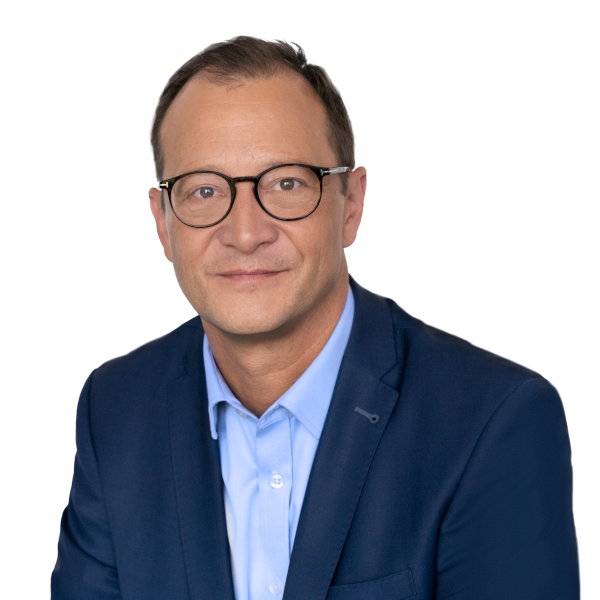
The geopolitical pressure on Europe could also unleash positive forces for the economy and financial markets. “Europe must take steps to become more attractive and sovereign,” emphasises André Zücker, Co-CEO of KGAL, adding: “There are already examples of more rapid political action, such as the Special Fund for Infrastructure and Climate Neutrality, the new Germany Fund and the offshore wind investment pact among the North Sea coastal states. Projects worth billions are being launched in Germany and Europe and promise to stimulate the economy.”
Infrastructure needs private investors
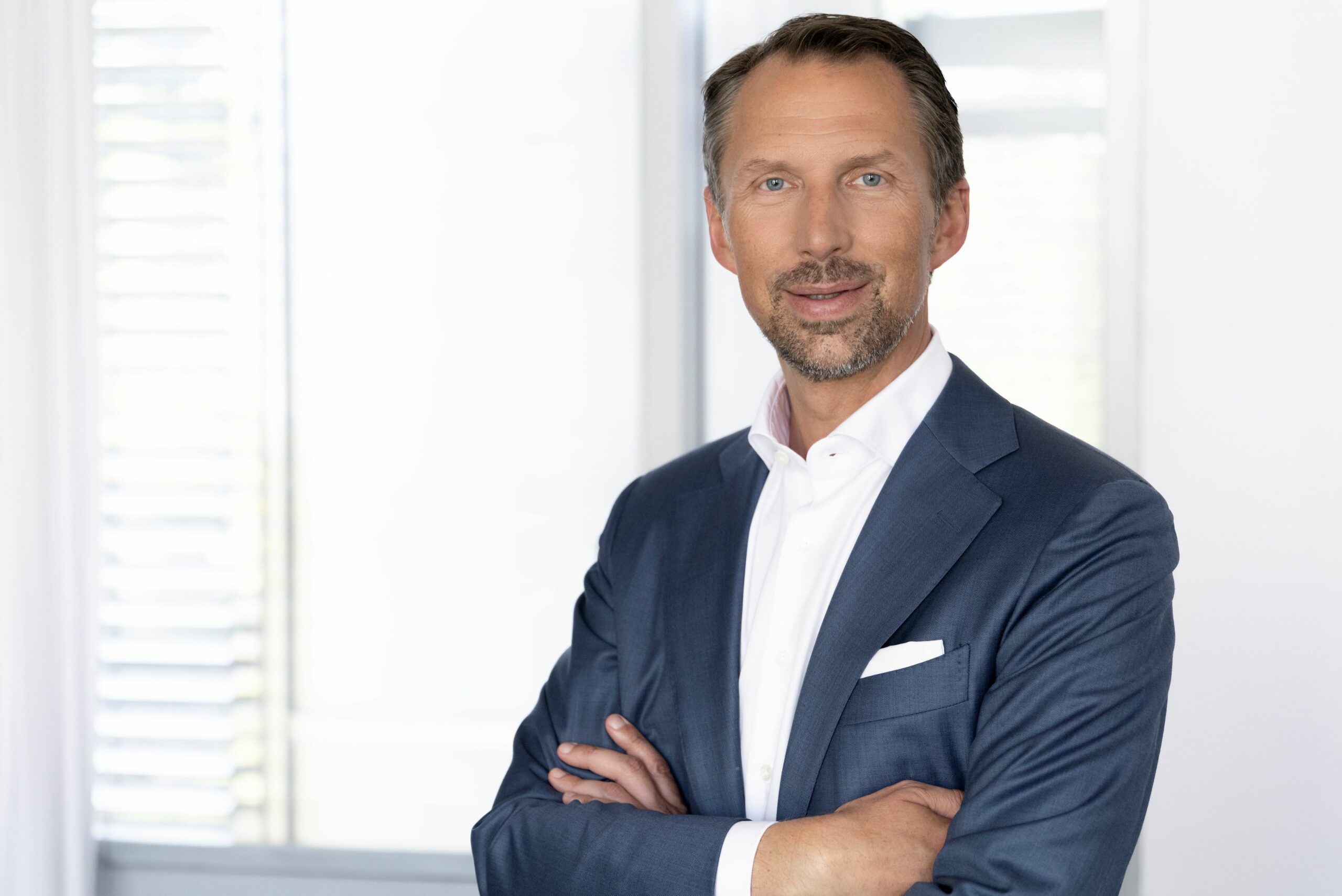
One area of focus is the megatrend of infrastructure in all its facets, with government initiatives requiring additional private investment. “Private capital must effectively complement and leverage the support packages,” says KGAL Co‑CEO Florian Martin. “As a diversified asset manager across energy infrastructure, mobility/aviation, and infrastructure real estate, we expect tailwinds in 2026.” An important first milestone was the infrastructure portfolio launched with Debeka at the end of 2025, with an investment volume of up to €400 million. KGAL expects infrastructure investments to continue to gain in importance among institutional clients.
“Europe is facing key challenges from defence capabilities to energy sovereignty,” adds André Zücker. “As investment and asset managers, together with our clients, we acknowledge our shared responsibility to make an active contribution.”
The second major megatrend is artificial intelligence (AI). KGAL systematically utilises AI and a comprehensive data platform as the basis for designing highly efficient processes and providing optimal support for investment decisions. “Our new AI Office convenes a range of activities from the rollout of AI in standard processes to its use in analysis, research and risk management,” says Florian Martin. Naturally, ESG is an integral part of this at KGAL.
Developments across KGAL’s asset classes:
Real estate: between selective transactions and work on the portfolio
Although there is often a gap between the price expectations of buyers and sellers, KGAL was again able to complete important acquisitions in 2025. The focus increasingly shifted to social infrastructure properties, including the sustainable office property “Güterwerk” in Nuremberg and the major Justice Centre in Erfurt. Further social infrastructure acquisitions are in the pipeline.
Residential real estate remains a stable anchor in our portfolios, supported by structural scarcity and rising rental demand. KGAL Core 5 expanded its portfolio in 2025 with a new-build property in The Hague. Elevated market valuations continue to make attractive acquisitions challenging. Nevertheless, Core 5 is aiming for a distribution yield of over 4 per cent.
KGAL achieved significant successes in its portfolio in 2025: In Munich, it secured an early lease renewal with BSH Hausgeräte GmbH for the Aviva office complex. With approximately 60,000 square metres of gross floor space, this is the state capital’s largest single lease in more than five years. The repositioning of the Karlak office and retail property in Prague was also successful, with retail rents rising by almost 30 per cent since the purchase in 2022.
Asset management contributes significantly to the stable letting situation: the occupancy rate is 96.9 per cent for a total portfolio of 3.19 million square metres.
Sustainable infrastructure: solutions for the energy transition
To progress along the path to net zero, renewable energies must be considered more integrated in the future. KGAL is developing large-scale battery storage facilities in Italy, Germany, Poland and the Czech Republic to enable more flexible control of grid feed-in. At the same time, green electricity generation is being dynamically expanded: in 2025, KGAL took advantage of a special market situation to purchase five German wind farms, all of which offer favourable EEG feed-in tariffs and correspondingly attractive return prospects.
An individual mandate was one of the beneficiaries of the acquisitions. The equity of €150 million was fully invested within a few months.
In total, KGAL developed wind and solar parks with a capacity of 272 megawatts (MW), up to grid connection. This included KGAL’s first project in the Czech Republic, with a capacity of 50 MW, making it the tenth country in KGAL’s operational plant portfolio.
A successful exit is another important part of value creation: in the summer of 2025, KGAL sold the Swedish wind farm Bäckhammar, with 31 turbines and a capacity of 130 MW, at a profit.
Aviation: uncorrelated returns and high resilience
Despite international tariff disputes and geopolitical uncertainties, global aviation is demonstrating resilience and continued potential. With the economic rise of emerging markets, air travel will become even more important for global mobility.
KGAL and GOAL – its aviation joint venture with Lufthansa – can look back on a highly active 2025: a total of ten lease agreements were signed and three were extended. Eight aircraft were sold and one airline was acquired as a new client. Altogether, the transactions amounted to nearly €400 million.
The KGAL APF 5 fund, which has now grown to €500 million, leased two Embraer E195-E2s to Porter Airlines and a Boeing 737 MAX 8 to VietJet in 2025, among other transactions. An Airbus A350-900 was also successfully sold.
Please cite KGAL as the source when using the images.